

Key figures in the history of Spanish cryptology
Here you will find figures who have stood out at one time or another in the history of Spanish cryptology. Not all those who should be included are here, but we will expand the list as our knowledge of them grows. We rely on our own research and your contributions to do this. If you know of anyone who should be included or can provide further information about any of them, please contact me at my email.
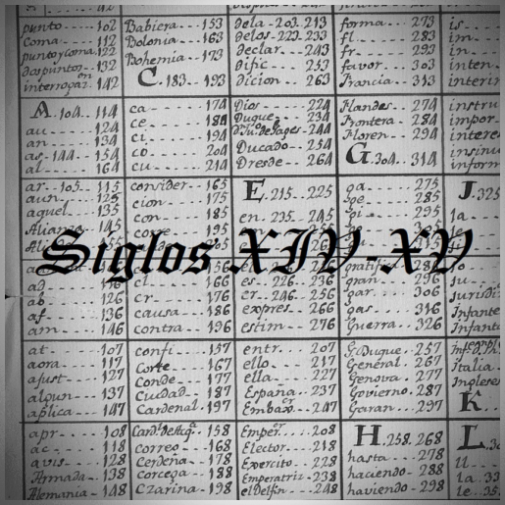
14th and 15th centuries. The birth of a cryptological power.
Pérez Almazán, Miguel. He was born in Calatayud (Zaragoza) and died on April 10, 514. He was Secretary of State to the Catholic Monarchs. He designed a very complex encryption system, actually a code that used Roman numerals as cipher symbols, for his secret communications.
16th century. Spain, the world's leading cryptographic power.
Fernández de Palencia, Diego. He was born in Palencia around 1520 and died in Seville around 1581. He was a Spanish historian and author of the History of Peru, a work in which there is a chapter presenting the knowledge of the time regarding cryptography and giving some examples of steganography.
Valle de la Cerda, Luis. One of the great cryptanalysts of the 16th century.
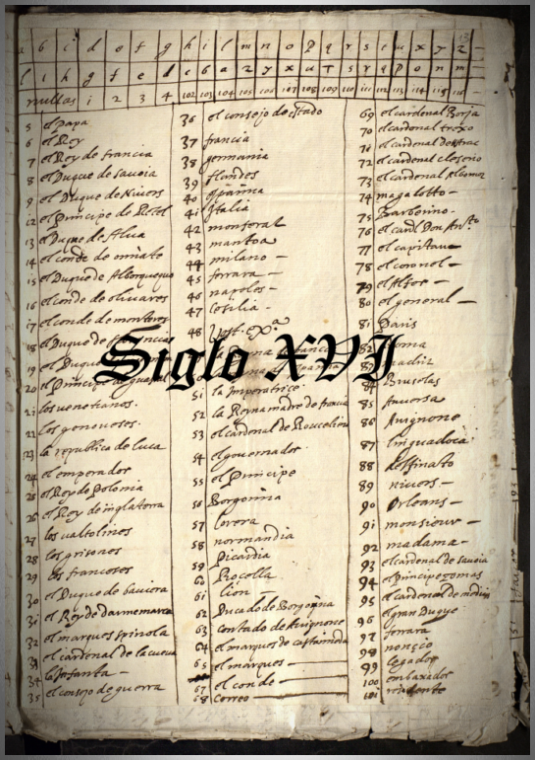
Siglos XVII y XVIII. La lenta decadencia en España.
Caramuel y Lobkowitz, Juan. Nació en Madrid en 1606 y murió en 1682. Autor de la primera obra publicada sobre criptografía en España en 1635 de título Steganographia. Dicha obra, en latín, fue publicada en Colonia.
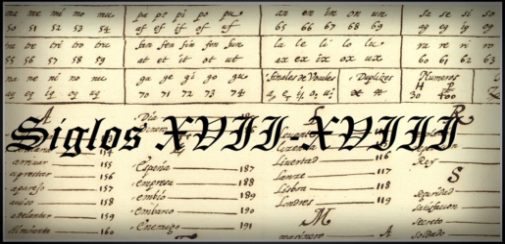
Siglo XIX. La decadencia española en criptología con algunas raras excepciones.
García Carmona, Joaquín. Alias de Cesáreo Huecas Carmona.
 Huecas Carmona, Cesáreo. Autor de “Clave silábica para comunicarse en lenguaje cifrado: indescifrable, sencilla, rápida y económica en las transmisiones telegráficas” y del “Tratado de Criptografía con aplicación especial al ejercito”.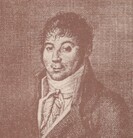
de Paula Martí y Mora, Francisco.Autor de "Poligrafía, o arte de escribir en cifra de diferentes modos. Arreglado a los métodos de varios autores antiguos y modernos. Con una colección de tintas simpáticas y comunes, el modo de hacer revivir la escritura en los manuscritos antiguos, y de borrar lo escrito quando convenga.”.
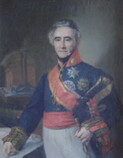
Navarro Sangrán, Joaquín. General español dedicado a labores de criptoanálisis durante la guerra de la independencia. Entre otras rompió la cifra
del general Joy en 1811.
Núñez y Muñoz, Manuel. Autor del "Nuevos Métodos Criptográficos" publicado en 1897.
20th Century. Transition from Manual Ciphers to Mechanical Ciphers.
Barba Claramunt, Jaime. Secretary of Camazón. He was a member of the PC Bruno and Cadix groups during World War II. In the early 1950s, probably in 1951, he went to Mexico where he lived the rest of his life.
Baringué Millat, Fernando. Born on August 15, 1915. He was a member of the Cryptanalysis Service of the General Staff Information Service (SIEM) of the Republic during the war, ending the war as a lieutenant in communications. After the war, he went into exile, returning to Spain a few months later.
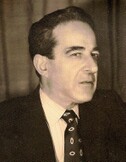 Camazón Valentín, Faustino Antonio. He became head of Group D, made up of eight Spaniards from PC Bruno and later seven from PC Cadix. He was born in Valladolid on June 5, 1901, and died in Jaca on October 19, 1982. He worked in the Criminal Police in Madrid before the war. He was the Head of Technical Services for DEDIDE and SIM. He began collaborating with the French in PC Bruno and Cadix under the false identity of André Magnol, continuing this collaboration even after both PCs were dismantled. After the war, he worked as an expert on Latin America and Spain for the French Ministry of Foreign Affairs.
De Erice, Gonzalo . Cryptanalyst for the Nationalist side during the Spanish Civil War.
Díaz Rodríguez, José. Born on March 29, 1917, in Madrid. He was a member of the Cryptanalysis Service of the General Staff Information Service (SIEM) of the Republic during the war, ending the war as a lieutenant in communications. In World War II, he worked as a cryptanalyst for the French Cinquième Bureau. He was a member of the PC Bruno and Cadix groups.
Díez de Rivera y Casares, Pascual. Cryptanalyst for the Nationalist side in the Navy during the Spanish Civil War.
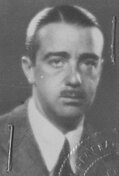 Espinosa San Martín, Antonio. Cryptanalyst for the Nationalist side during the Spanish Civil War.
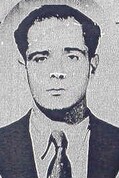 Estrada Manchón, Carmelo. Head of the Cryptanalysis Service of the General Staff Information Service (SIEM) of the Republic during the war, ending the war as a lieutenant in the communications corps. After the war, he went into exile, first to France, where he was very possibly the first leader of Group D of the Communist Party Bruno, and finally to Mexico with his brother.
Fariñas Sagredo, José. Lieutenant Colonel in the Civil Guard and cryptanalyst for the High Command, which he joined in 1939. He was head of the cryptography service of the 4th Bureau of the 3rd Section.
Inglada Díaz, Manuel. Born on May 18, 1920, in Madrid. He was a member of the Cryptanalysis Service of the General Staff Information Service (SIEM) of the Republic during the war, ending the war as a lieutenant in the communications corps. During World War II, he worked as a cryptanalyst for the French Cinquième Bureau. He was a member of the PC Bruno and Cadix groups.
Iñiguez y Almech, José María. One of the leading cryptanalysts of the Spanish Civil War. A professor at the University of Zaragoza, he carried out his cryptanalysis work in that city.
Martínez Benito, Andrés. He was a member of the PC Bruno and Cadix groups during World War II. In the Spanish Civil War, he reached the rank of captain. During World War II, he worked for the French cryptanalysis service in Rabat.
Martínez Benito, José. He was a member of the PC Bruno and Cadix groups during World War II. In the Spanish Civil War, he reached the rank of non-commissioned officer. During World War II, he worked for the French cryptanalysis service in Rabat.
Martínez Velasco, Román. Cryptanalyst for the Nationalist side during the Spanish Civil War.
Medina Cantero, José. He was born on February 11, 1920, in Valencia. A member of the Cryptanalysis Service of the General Staff's Information Service (SIEM) during the war, he ended the war as a communications lieutenant. All that is known is that he belonged to the PSOE (Spanish Socialist Workers' Party) in Valencia and that he was probably born in 1919 or 1920. He was a member of the PC Bruno and Cadix groups during World War II.
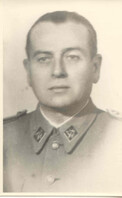 Nicolau Bordoy, Baltasar. Another of the great cryptanalysts of the Civil War. He carried out his work at the Palma de Mallorca Command.
Sarmiento Farinós, Ángel. Infantry Commander, son of Antonio Sarmiento. He was assigned to the Cipher Bureau of the High Command. A professor, head of the Code Section, and cryptography specialist for the High Command and the JUJEM (Joint Chiefs of Staff) until his retirement from active service.
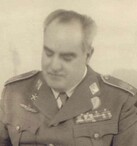 Sarmiento León-Troyano, Antonio. Organizer and head of General Franco's listening and cryptanalysis services.
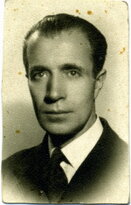 Solabre Lazcano, Juan. One of the great cryptanalysts of the Civil War. He worked for the SIPM, transferring to the Cryptanalysis Unit of the High Command after the war.
Vera Fernández de Córdoba, Francisco. Member of the Republican cipher and code section.
Vigas Vigas, César. Member of the Cryptanalysis Service of the General Staff Information Service (SIEM) of the Republic during the Spanish Civil War, ending the war as a lieutenant in communications.
We're still looking for
If anyone happens to find information about any Spanish figure connected with cryptology up to the 20th century, please contact me at the following email.